How Cryotherapy Works: The Science of Cold Exposure
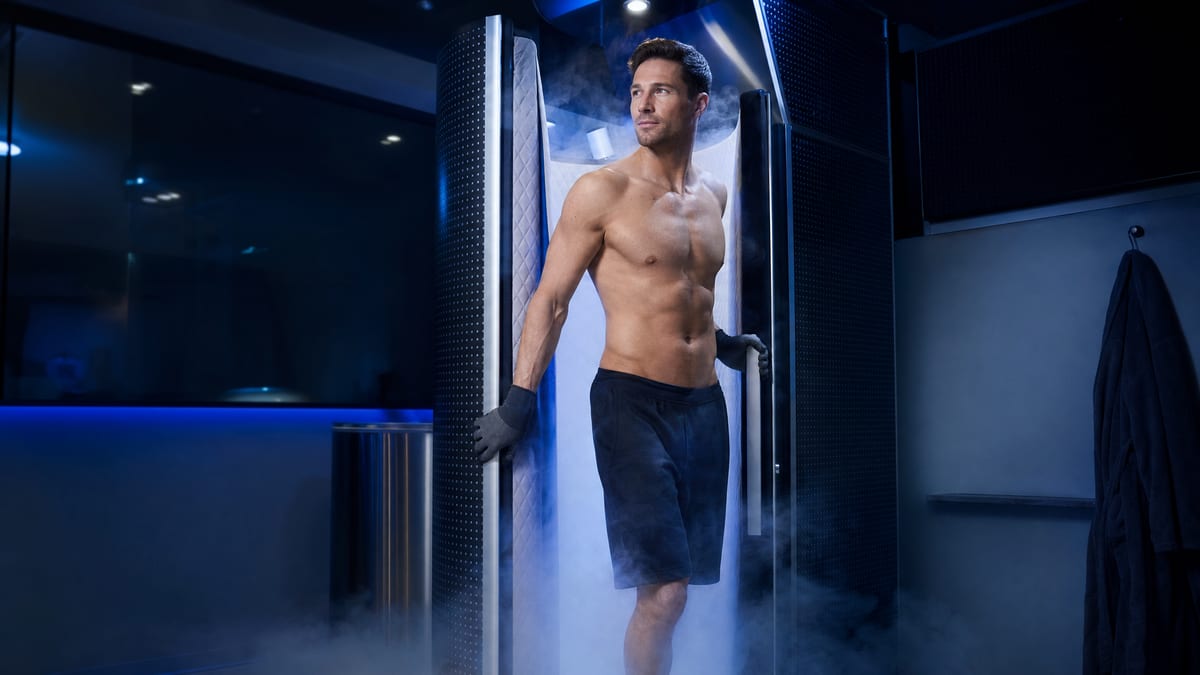
Cryotherapy, from the Greek words cryo (cold) and therapy (cure), involves exposing the body to extremely low temperatures for a short duration to trigger a cascade of beneficial physiological responses. Whole-body cryotherapy (WBC) typically takes place in a specialised chamber cooled to between -110 and -140 degrees Celsius using either liquid nitrogen or electric cooling systems. Sessions last two to three minutes, during which the surface temperature of the skin drops rapidly while core body temperature remains stable.
The extreme cold triggers a powerful survival response. Blood vessels at the surface constrict (vasoconstriction), redirecting blood flow to the core organs where it is enriched with oxygen and nutrients. When you exit the chamber and the body warms, vasodilation occurs as blood rushes back to the extremities, flushing tissues with nutrient-rich, oxygenated blood. Simultaneously, the cold triggers the release of noradrenaline (norepinephrine), a neurotransmitter and hormone that has potent anti-inflammatory effects and plays a key role in attention, focus, and mood regulation. A single cryotherapy session roughly doubles circulating noradrenaline. The most commonly cited study reports two- to three-fold increases, and a later dose-response trial measured a rise of about 100 percent on the first day at minus 110 degrees, with no significant rise left by day five, which suggests the response habituates quickly with daily use. Much larger figures circulate online, but those come from an hour of cold-water immersion rather than a three-minute session in a chamber.
The cold exposure also activates brown adipose tissue (brown fat), a metabolically active fat tissue that generates heat by burning calories. This thermogenic response has attracted interest from researchers studying cryotherapy's potential role in weight management and metabolic health. Additionally, the acute stress of cold exposure triggers a hormetic response, where a short-term stressor activates the body's repair and defence mechanisms, leaving it stronger and more resilient.
Benefits for Recovery and Inflammation
The most well-established benefit of cryotherapy is its ability to reduce inflammation and accelerate recovery. Whole-body cryotherapy has been shown to reduce pro-inflammatory cytokines such as IL-6 and TNF-alpha in patients with active inflammatory disease, chiefly rheumatoid arthritis. In healthy people the picture is different: the same twelve-week study that produced the noradrenaline figures found IL-1 beta, IL-6 and TNF-alpha did not change at all after cold exposure. If your inflammatory markers are already normal, there is nothing there to reduce. Cryotherapy is not suitable if you are pregnant, or have uncontrolled high blood pressure, unstable heart disease, Raynaud's, cold urticaria or peripheral neuropathy. This makes it particularly valuable for people dealing with chronic inflammatory conditions, athletes recovering from intense training, and individuals with inflammatory joint conditions such as rheumatoid arthritis.
In the sporting world, cryotherapy has been widely adopted by professional athletes and sports teams. The evidence for cryotherapy and muscle soreness is weaker than its popularity suggests. A Cochrane review pooling four small trials with sixty-four participants in total, all judged at high risk of bias, found the effect on soreness was not statistically significant at 24, 48 or 72 hours, and rated the quality of the evidence very low. Its authors concluded there is insufficient evidence to determine whether whole-body cryotherapy reduces muscle soreness at all. Where cold does reliably help soreness, the trials point to cold-water immersion rather than the chamber. Worth knowing too: routinely blunting post-exercise inflammation may reduce the strength and muscle-building adaptations you get from resistance training. A meta-analysis of randomised controlled trials found that cryotherapy was effective in reducing perceived muscle soreness, though the evidence for improved objective measures of muscle function was more mixed. The subjective improvement in recovery and reduced pain is consistently reported across studies and is highly valued by athletes.
Beyond athletic recovery, cryotherapy shows promise for managing chronic pain conditions. Studies in patients with fibromyalgia, chronic low back pain, and osteoarthritis have reported significant reductions in pain scores following courses of cryotherapy. The anti-inflammatory effects, combined with the analgesic properties of cold exposure and the endorphin release triggered by the treatment, provide a multi-mechanism approach to pain management that many patients find effective as an alternative or complement to pharmaceutical pain relief.
Mental Health, Sleep, and Mood Benefits
One of the most compelling and consistently reported benefits of cryotherapy is its impact on mood and mental wellbeing. The dramatic increase in noradrenaline triggered by cold exposure has a direct effect on alertness, focus, and mood. Many patients report feeling a surge of energy, mental clarity, and a sense of euphoria immediately after a session. This acute mood boost, combined with the longer-term effects of reduced inflammation on brain function, has led researchers to investigate cryotherapy as a complementary treatment for depression and anxiety.
A 2008 Polish study published in Archives of Immunology and Therapy Experimentalis found that adding fifteen daily cryochamber sessions to standard medication produced greater improvement in depression and anxiety scores than medication alone. It was small, the groups were unequal in size, and neither participants nor the clinicians scoring them were blinded, which matters a great deal when the outcome is a rater-administered mood scale and one group has spent three weeks in a minus 160 degree chamber. A better 2020 sham-controlled follow-up by the same group was also positive, though 39 percent of participants dropped out. Treat this as a promising signal rather than established treatment, and never as a reason to defer psychiatric care. The researchers attributed this to the combined effects of noradrenaline release, endorphin production, and the reduction of neuroinflammation. While cryotherapy is not a standalone treatment for clinical depression, the evidence supports its use as part of a comprehensive mental health strategy.
Sleep quality is another area where cryotherapy patients report meaningful improvements. The hormonal cascade triggered by cold exposure, including increases in noradrenaline and beta-endorphin, appears to support the regulation of circadian rhythms and promote deeper sleep. Many Irish cryotherapy users report that regular sessions, particularly when done in the late afternoon or early evening, result in faster sleep onset and more restorative sleep. The anti-inflammatory effects may also contribute to improved sleep by reducing the low-grade chronic inflammation that can disrupt sleep architecture.
Cryotherapy for Longevity and Anti-Ageing
From a longevity perspective, cryotherapy's value lies primarily in its anti-inflammatory and hormetic effects. Chronic low-grade inflammation, sometimes called inflammaging, is recognised as one of the key drivers of age-related disease and biological ageing. By regularly reducing inflammatory markers, cryotherapy may help slow the progression of inflammation-driven ageing processes. The activation of antioxidant defence systems through the hormetic stress response provides additional cellular protection.
Emerging research has explored the effects of cryotherapy on cellular senescence, the accumulation of damaged cells that stop dividing but remain metabolically active, secreting inflammatory molecules that damage surrounding tissues. While direct human studies on cryotherapy and senescent cells are still limited, the reduction in inflammatory cytokines that promote senescence, combined with the activation of repair pathways, suggests a potential mechanism for cryotherapy to contribute to healthy ageing at the cellular level.
The metabolic benefits of cryotherapy are also relevant to longevity. Regular cold exposure has been shown to improve insulin sensitivity, increase metabolic rate through brown fat activation, and support healthy body composition. These metabolic improvements are associated with reduced risk of type 2 diabetes, cardiovascular disease, and metabolic syndrome, all of which are major contributors to age-related morbidity and mortality. When combined with other longevity treatments such as NAD+ therapy, HBOT, and hormone optimisation, cryotherapy forms a valuable component of a comprehensive anti-ageing protocol.
Cryotherapy in Ireland: Providers and Pricing
Cryotherapy is widely available across Ireland, with providers in Dublin, Belfast, Cork, Galway, Kilkenny, Kildare, and other locations. The market includes dedicated cryotherapy studios, multi-modality wellness centres, sports recovery facilities, and longevity clinics that incorporate cryotherapy into broader treatment programmes. Equipment varies from electric whole-body cryotherapy chambers, which are fully enclosed, to nitrogen-cooled cryosaunas where the head remains above the chamber.
Pricing across Irish cryotherapy providers is relatively consistent, with single-session costs typically ranging from 50 to 100 euro for whole-body cryotherapy. Most providers offer package deals that reduce the per-session cost. A ten-session package typically costs 350 to 600 euro, while monthly memberships offering unlimited or frequent sessions are available for 150 to 300 euro per month. Some facilities include cryotherapy as part of a recovery suite alongside infrared sauna, compression therapy, and red light therapy, offering combined session packages at a bundled rate.
When choosing a cryotherapy provider in Ireland, consider the type of chamber used, the qualifications of the staff, and the overall clinical environment. Electric chambers provide a more consistent temperature distribution than nitrogen cryosaunas and eliminate the risk of nitrogen gas exposure. A trained operator should monitor you throughout every session and conduct a brief health screening before your first visit. Look for providers who can explain the science behind the treatment, who track your session parameters, and who integrate cryotherapy into a broader approach to health and recovery rather than offering it as an isolated novelty experience.
A Note on These Prices
Prices last checked: August 2026. The figures on this page are ranges gathered from clinic pricing published across Ireland, not quotes, and they move. Confirm current cost with the clinic directly before booking. Where a substance has no marketing authorisation in Ireland or the EU we do not publish a price for it, because advertising an unauthorised medicine to the public is prohibited under Irish medicines law.