How cryotherapy works and why the cold matters
Whole-body cryotherapy, or WBC, involves standing in a chamber cooled to between minus 110 and minus 140 degrees Celsius for two to three minutes. The extreme cold triggers a cascade of physiological responses that begin with vasoconstriction, the narrowing of blood vessels near the skin's surface, as the body works to protect its core temperature. Once you step out and begin to rewarm, the opposite happens. Blood vessels dilate, circulation surges, and oxygen-rich blood flushes back through tissues that were briefly starved of it. This cycle of constriction and dilation is at the heart of most claimed cryotherapy benefits.
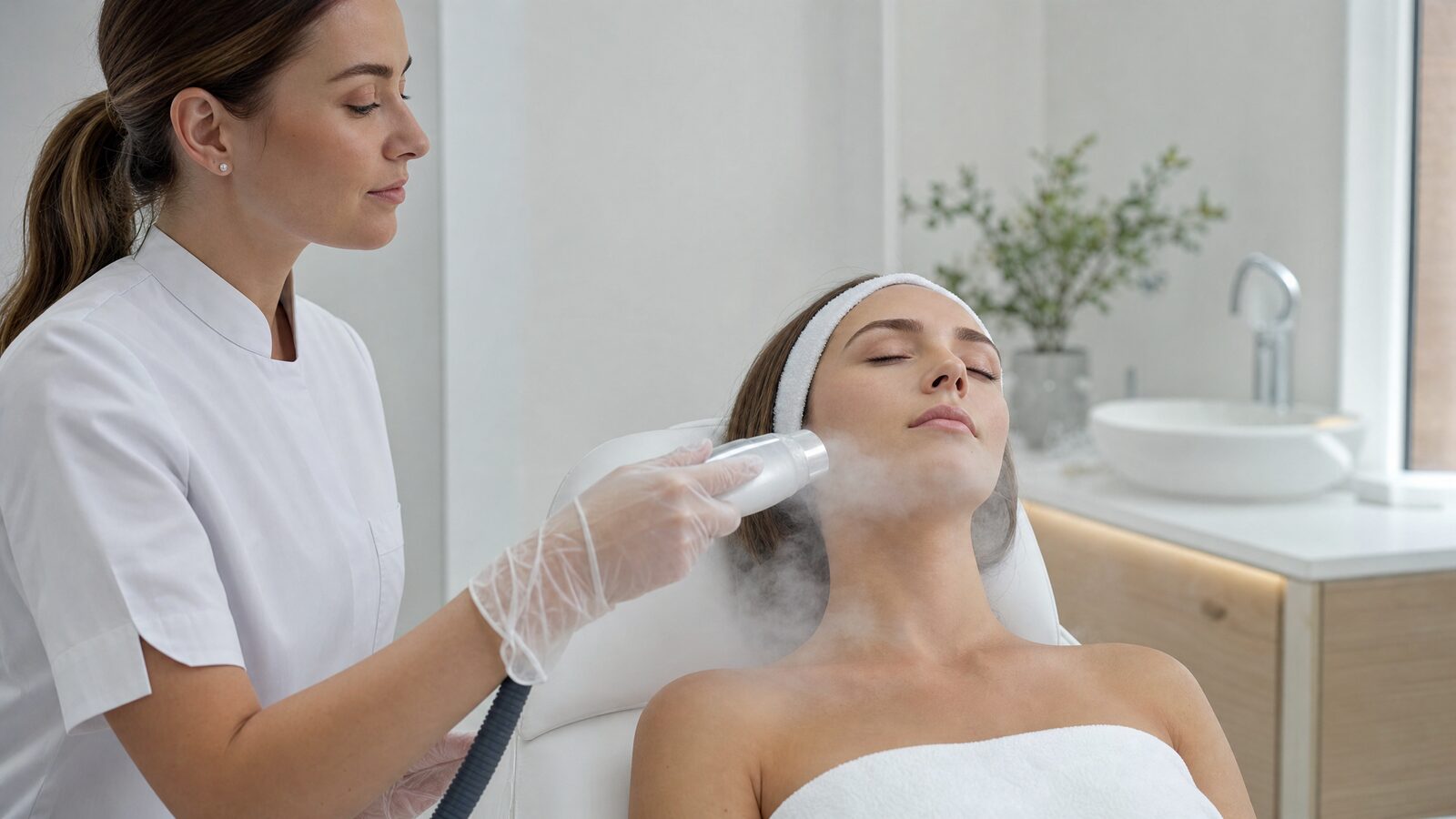
The treatment is not new, but the science around it has matured considerably in recent years. Localised cryotherapy, where targeted cold air is applied to a specific area such as the face, neck or a sore joint, uses the same basic mechanism on a smaller scale. Cryo facials, for example, direct a stream of cold air across the face and neck to promote circulation and reduce puffiness. Whether whole-body or localised, the underlying principle is the same: a controlled, brief exposure to cold that asks the body to respond, adapt and recover. The question worth answering honestly is which of the many claimed benefits are actually supported by good evidence, and which ones have been oversold.
Inflammation: the strongest evidence for cryotherapy
If there is one area where the research on cryotherapy benefits is genuinely compelling, it is inflammation. Chronic, low-grade inflammation is implicated in a wide range of health problems, from joint pain and cardiovascular risk to skin ageing and fatigue. A 2025 meta-analysis published in Nature Scientific Reports pooled data from eleven randomised controlled trials and found that whole-body cryotherapy significantly reduced three of the most important inflammatory markers: C-reactive protein, interleukin-6 and tumour necrosis factor alpha. These are not obscure lab readings. CRP and IL-6 are among the markers your GP would check if they suspected systemic inflammation, so seeing meaningful reductions across multiple trials is a genuinely encouraging signal.
The mechanism appears to be straightforward. The extreme cold suppresses the activity of pro-inflammatory pathways while the post-rewarming circulation boost helps clear metabolic waste from tissues. For people living with inflammatory conditions, particularly rheumatoid arthritis, the implications are real. Research associated with the Mayo Clinic found that cold therapy improved mobility and reduced pain in rheumatoid arthritis patients, with effects lasting three months or more. Cold therapy also reduces nerve conduction velocity, which means pain signals travel more slowly and are perceived less intensely. None of this means cryotherapy replaces anti-inflammatory medication or medical care, but as an adjunct under medical supervision, the evidence for its anti-inflammatory effect is now reasonably solid.
It is worth noting that the size of individual trials remains modest, and larger, longer-term studies would strengthen the picture further. But the direction of the evidence is consistent, and inflammation reduction is the benefit most firmly grounded in published research. If you are considering cryotherapy for a specific inflammatory condition, discussing it with your doctor is a sensible first step.
Recovery after exercise: muscle soreness, sleep and fatigue
Athletes and regular gym-goers have been the earliest and most enthusiastic adopters of whole-body cryotherapy, and the recovery evidence has kept pace with their interest. A 2026 systematic review published in Frontiers examined the body of research on WBC and physiological recovery after acute exercise. The findings were positive across several measures: participants who used cryotherapy after intense training reported less muscle soreness, improved exercise capacity in subsequent sessions, better sleep quality and a measurable reduction in fatigue. For anyone who trains hard enough to feel it the next day, these are the outcomes that matter most.
The recovery mechanism ties back to the circulation story. During the cold exposure, vasoconstriction limits blood flow to the muscles, reducing the swelling and micro-damage that contribute to delayed-onset muscle soreness. On rewarming, the surge of fresh, oxygenated blood helps flush out metabolic byproducts like lactate and delivers nutrients that support tissue repair. The net effect is a faster return to baseline, which means you can train again sooner and with less discomfort. This does not mean cryotherapy makes you fitter or stronger on its own. It is a recovery tool, not a performance enhancer, and it works best as part of a broader routine that includes proper nutrition, sleep and programming.
The sleep and fatigue improvements are worth highlighting separately. Hard training can leave the nervous system in a heightened state that makes it difficult to wind down, and the endorphin and noradrenaline release triggered by cold exposure appears to help reset that balance. Many people report sleeping more deeply on the night after a cryo session, which in turn supports the recovery process. If you are an athlete in Ireland or simply someone who trains regularly, the recovery evidence is among the most practical reasons to consider cryotherapy.
Skin benefits: what cryotherapy can and cannot do for your complexion
Cryotherapy's skin benefits are perhaps the most visible and immediately noticeable, even if the long-term evidence is still catching up. The vasoconstriction triggered by cold exposure causes pores to tighten, giving the skin a smoother, more refined appearance. As blood rushes back to the surface during rewarming, it delivers oxygen and nutrients to skin cells, producing a flush that many people describe as a healthy glow. The cold also promotes lymphatic drainage, which reduces puffiness, particularly around the eyes and jawline. These effects are real, but they are largely temporary, lasting hours rather than days after a single session.
Cryo facials, which use targeted cold air application to the face and neck, are specifically designed to maximise these skin benefits. A session typically costs between €80 and €150 in Ireland and takes less time than a whole-body treatment. The focused cold can be more intense on the facial skin, and many people find the results more noticeable for complexion purposes than a full-body session. Some clinics combine cryo facials with other skin treatments such as red light therapy or LED masks, which may enhance the overall effect, though the evidence for these combinations is mostly anecdotal at this stage.
The more ambitious claim is that cryotherapy stimulates collagen production, which would have real implications for skin firmness and ageing. There is emerging evidence to support this, and a 2020 review in the Journal of Clinical and Aesthetic Dermatology described the results as promising for skin rejuvenation. However, the same review was clear that large-scale, long-term studies are still lacking. The honest position is that cryotherapy is unlikely to replace a considered skincare routine, sun protection or professional dermatological treatments, but it may offer a useful complement, particularly for reducing inflammation-related skin issues like redness, irritation and puffiness. If your expectations are realistic, the skin benefits are among the more enjoyable reasons to try it.
Pain relief and joint health
Cold therapy for pain is one of the oldest treatments in medicine, and cryotherapy is essentially a modern, precisely controlled version of the ice pack your physio might recommend. The mechanism is well understood: cold reduces nerve conduction velocity, which means pain signals travel more slowly from the affected area to the brain. At the same time, the anti-inflammatory effect reduces the swelling and irritation that cause pain in the first place. The combination of less inflammation and blunted pain signalling explains why many people feel genuine relief after a session.
The most robust evidence in this area comes from research into inflammatory joint conditions. Studies associated with the Mayo Clinic found that cryotherapy improved mobility and reduced pain in patients with rheumatoid arthritis, with benefits persisting for three months or more after a course of treatment. This is a meaningful finding, because rheumatoid arthritis involves chronic, systemic inflammation that is difficult to manage, and any safe adjunct that extends periods of reduced pain is valuable. For osteoarthritis and other joint conditions, the evidence is less extensive but the physiological rationale is sound, and many physiotherapists in Ireland already incorporate localised cold therapy into rehabilitation programmes.
It is important to frame pain relief properly. Cryotherapy does not cure the underlying condition causing the pain. It can reduce symptoms and improve quality of life, but it works best alongside medical treatment, physiotherapy and lifestyle changes rather than as a standalone solution. If you are considering cryotherapy for chronic pain, a conversation with your GP or rheumatologist is the right starting point. They can advise whether it is appropriate for your specific situation and help you avoid any contraindications.
Mental health, mood and the endorphin effect
One of the more intriguing areas of cryotherapy research is its effect on mood and mental health. The extreme cold triggers a significant release of noradrenaline and endorphins, the same neurotransmitters involved in the runner's high and the buzz people describe after a cold sea swim. Most people notice a lift in alertness, energy and mood in the hours after a session, and this short-term effect is consistent and well documented. But the research has gone further than subjective reports.
A randomised controlled trial examining cryotherapy as an adjunct to antidepressant medication produced striking results. Among participants who received whole-body cryotherapy alongside their existing medication, thirty-four per cent achieved a fifty per cent or greater improvement in depressive symptoms, compared with just three per cent of those who continued on medication alone. The mechanism is thought to involve the sustained elevation of noradrenaline, which plays a key role in mood regulation, arousal and attention. While a single trial does not constitute proof, the effect size was large enough to attract serious attention from researchers.
This is an area where responsible framing matters. Cryotherapy is not a treatment for depression, and no one should stop or change their medication based on a single study. But as a complementary approach, discussed with a mental health professional, it may offer genuine value for some people. The mood lift is one of the most commonly reported cryotherapy benefits among regular users, and it is one of the reasons people come back after their first session. If you are managing low mood or anxiety, it is worth mentioning to your doctor as something you are considering, rather than treating it as a self-prescribed solution.
What cryotherapy will not do: weight loss and other debunked claims
Honesty about what the evidence does not support is just as important as enthusiasm for what it does. The most persistent myth around cryotherapy is that it burns significant calories and helps with weight loss. A rigorous 2025 trial conducted by the University of Helsinki tested this claim directly and found that cryotherapy did not significantly enhance weight loss or activate brown adipose tissue, the type of fat that burns energy to generate heat. The calorie expenditure from a two-to-three-minute cold exposure is real but modest, nowhere near enough to produce meaningful fat loss without changes to diet and exercise.
It is also important to note that the FDA in the United States has not cleared or approved whole-body cryotherapy for any specific medical condition. This does not mean cryotherapy is ineffective or dangerous, but it does mean that any clinic marketing it as a proven treatment for a named disease is overstepping the evidence. Claims about detoxification, anti-ageing wonders or curing chronic illness should be treated with healthy scepticism. The body's liver and kidneys handle detoxification, and while cryotherapy may support recovery and reduce inflammation, it is not a substitute for medical treatment.
None of this diminishes the real benefits discussed earlier. It simply means that cryotherapy is best understood as a recovery and wellness tool with genuine but bounded advantages, not a cure-all. A clinic that is upfront about these limitations is one you can trust more, not less. The best providers in Ireland will set honest expectations and position cryotherapy as one part of a broader approach to health and recovery.
Safety, contraindications and finding a session in Ireland
Whole-body cryotherapy is generally safe for healthy adults when administered in a reputable, supervised setting, and serious adverse events are rare. The most common issues are minor: temporary skin redness, tingling or numbness that resolves within minutes of rewarming. Cold burns can occur if the skin is damp or if jewellery or clothing touches the chamber walls, which is why any decent clinic will insist that your skin is completely dry and that you wear the provided protective gloves, socks and coverings before entering.
There are, however, clear contraindications that should not be ignored. People with cardiovascular disease, Raynaud's phenomenon, circulatory disorders, uncontrolled high blood pressure, nerve damage or a pacemaker should avoid whole-body cryotherapy. It is also contraindicated during pregnancy. The extreme cold places a brief but real load on the cardiovascular system, and for anyone with an underlying condition, that load carries genuine risk. If you have any chronic health condition or take regular medication, check with your GP before booking your first session. A responsible clinic will ask you to complete a health questionnaire and will not hesitate to decline treatment if it is not safe for you.
In Ireland, several clinics offer whole-body cryotherapy alongside other recovery and longevity treatments. CryoClinic in Maynooth provides both whole-body cryotherapy and hyperbaric oxygen therapy. South William Clinic in Dublin and ACCA Longevity Clinic in Belfast also offer cryotherapy services. A single whole-body session typically costs between €50 and €100, while cryo facials are usually priced at €80 to €150. When choosing a provider, look for trained staff who supervise every session, well-maintained equipment that reaches the advertised temperatures, and a thorough health screening process. Starting with a single session or a small introductory package is the sensible approach before committing to a larger block.