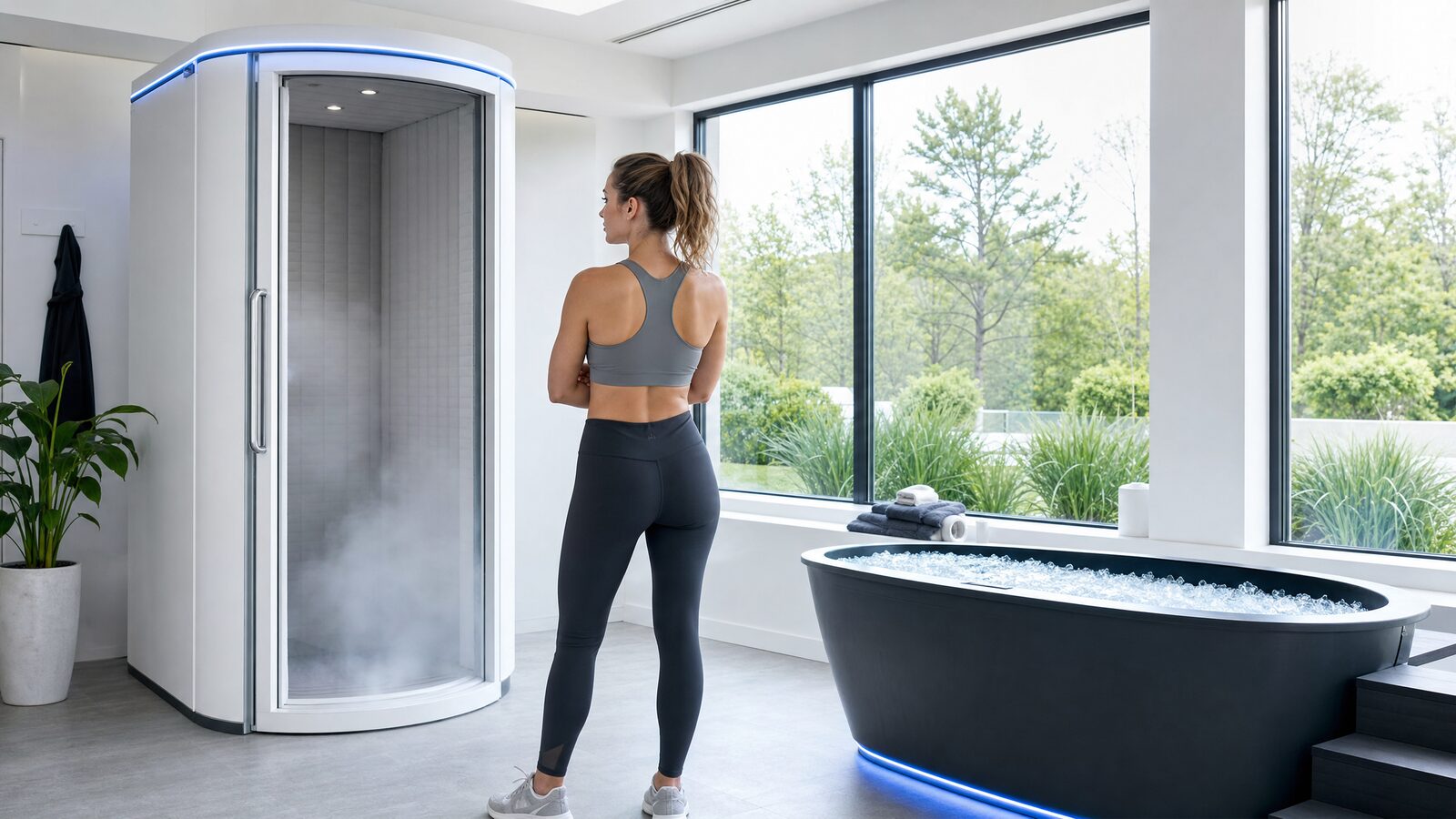
Why cold therapy is having a moment in Ireland
Cold exposure for recovery is hardly new in Ireland. Between the Atlantic coast, the Irish Sea, and a long tradition of bracing sea swims from the Forty Foot to Salthill, cold water has been part of Irish life for generations. What has changed is that cold therapy is now being packaged in two very different formats, each claiming to be the superior route to faster recovery, less inflammation, and better wellbeing. On one side sits whole-body cryotherapy, offered in clinics from Dublin's South William Clinic to CryoClinic in Maynooth and ACCA Longevity Clinic in Belfast. On the other sits the ice bath, available at gyms, wellness centres, outdoor swimming spots, and increasingly in people's back gardens.
The question people keep asking, whether in changing rooms, recovery studios, or online forums, is straightforward: which one is actually better? The honest answer is that it depends on what you mean by better, because the two methods differ in temperature, duration, mechanism, cost, and accessibility. This guide compares them side by side using the best available evidence, real Irish pricing, and practical considerations so you can make a genuinely informed choice rather than being swayed by marketing from either camp.
How cryotherapy works
Whole-body cryotherapy, commonly shortened to WBC, involves standing in a chamber or cabin cooled to somewhere between minus 100 and minus 140 degrees Celsius for two to four minutes. The cold is delivered as dry air, typically chilled by liquid nitrogen or an electric cooling system. In most Irish clinics you step into an open-top cabin where your head stays above the cold, though some facilities use enclosed walk-in chambers. You wear minimal clothing along with gloves, socks, and ear protection, and a staff member monitors you throughout.
The extreme cold triggers a rapid constriction of surface blood vessels, driving blood towards the core. When you step out and warm up, those vessels dilate again, and this cycle is thought to reduce inflammation, flush metabolic waste products from the muscles, and stimulate the release of endorphins and noradrenaline. The experience is intense but brief, more of a sharp, tingling shock than a sustained ache, and most people find it surprisingly tolerable because dry cold feels very different from wet cold. The controlled environment is one of cryotherapy's main selling points: the temperature is precise, the duration is timed to the second, and you are supervised from start to finish.
How ice baths work
An ice bath is conceptually simpler. You immerse your body, typically up to the chest or shoulders, in cold water at roughly 10 to 15 degrees Celsius for anywhere from ten to twenty minutes. The water may be chilled naturally, as in an outdoor lake or the sea, or cooled with ice added to a tub. The mechanism is similar in broad strokes: cold constricts blood vessels, reduces blood flow to the muscles, and dampens the inflammatory response. When you get out and warm up, fresh blood returns to the tissues.
The critical difference is the medium. Water conducts heat away from the body roughly 25 times more efficiently than air, which means that even though an ice bath sits at a far higher temperature than a cryo chamber, the actual cold load on the body is more intense. Your core temperature drops more, the muscles are cooled more deeply, and the experience feels harder to endure, particularly in the first few minutes. This is why many athletes and coaches who have tried both report that ice baths feel more physically demanding despite the seemingly milder numbers. The trade-off is duration: you need ten to twenty minutes submerged to get the full benefit, compared with two to four minutes in a cryotherapy cabin.
What the evidence says: recovery and inflammation
Both cryotherapy and ice baths have a growing body of research behind them, though neither has reached the point where scientists would call the evidence definitive. For whole-body cryotherapy, a 2025 meta-analysis published in Nature Scientific Reports pooled data from eleven randomised controlled trials and found that WBC significantly reduced key inflammatory markers, specifically C-reactive protein, interleukin-6, and tumour necrosis factor alpha. A 2026 systematic review in Frontiers added that WBC supports physiological recovery after acute exercise, with measurable improvements in muscle soreness, sleep quality, and perceived fatigue.
Ice baths have a longer research history, and the evidence for cold water immersion as a post-exercise recovery tool is generally considered at least as strong, if not stronger, than for cryotherapy. Multiple systematic reviews have found that cold water immersion reduces delayed onset muscle soreness and can speed up the return to baseline performance. The deeper tissue cooling achieved by water immersion may be particularly relevant for athletes dealing with significant muscle damage from high-intensity or endurance exercise.
It is important to be honest about the limitations on both sides. Study sizes tend to be small, protocols vary widely, and much of the research focuses on young, fit athletes rather than the general population. Neither method has been cleared by the FDA for any specific medical condition. A 2025 trial at the University of Helsinki also found that cryotherapy did not significantly enhance weight loss or activate brown adipose tissue, putting a dent in one of the more popular marketing claims. The responsible takeaway is that both methods show genuine promise for exercise recovery and inflammation, but neither is a proven medical treatment.
Cost comparison in Ireland
Cost is often the deciding factor, and the gap between cryotherapy and ice baths is substantial. A single whole-body cryotherapy session in Ireland typically costs between €50 and €100, with some clinics offering introductory sessions from around €30. Multi-session packages of five to ten visits bring the per-session price down, and some clinics sell monthly memberships for regular users. Either way, cryotherapy is an ongoing expense that adds up if you use it frequently, and it requires a trip to a clinic each time.
Ice baths, by contrast, can cost nothing at all. Ireland's coastline and lakes offer year-round cold water immersion for free, and a cold shower at home costs only a few cents in water. If you prefer a more controlled setup, wellness centres and gyms that offer ice bath or cold plunge facilities typically charge between €20 and €60 per session. For those who want cold water immersion at home on demand, standalone cold plunge tubs range from around €200 for a basic insulated barrel to €2,000 or more for a temperature-controlled unit with filtration. Even at the premium end, a home tub pays for itself within a few months compared with regular cryotherapy sessions. For anyone on a budget, the cost argument overwhelmingly favours ice baths.
Convenience, accessibility and the Irish context
Convenience is where cryotherapy claws back ground. A session is dry, precisely timed, and over in under five minutes of actual cold exposure. You walk out warm and dry, which makes it easy to fit into a lunch break or slot between training sessions. For athletes who need rapid recovery between morning and afternoon sessions, or for anyone who simply dislikes being cold and wet for an extended period, cryotherapy's speed and comfort are genuine advantages. Clinics in Dublin, Maynooth, Belfast, and other Irish cities mean you can usually find a provider within reasonable driving distance.
Ice baths demand more of you. Ten to twenty minutes of full-body immersion in cold water is a significant commitment, both physically and mentally. You need a space for the tub, access to ice or a cooling system, and time to warm up afterwards. The upside is total flexibility: you can do it whenever you like, at whatever temperature you choose, without booking or travelling. In Ireland specifically, the sea swimming culture means that many people already have access to natural cold water immersion and a community to go with it. Groups like the Dublin Dippers, the Galway Bay Swimming Club, and countless informal coastal groups make cold water immersion a social activity as much as a recovery tool.
For people living in rural areas or smaller towns without a cryotherapy clinic nearby, ice baths or sea swimming may be the only practical option. Cryotherapy clinics are concentrated in larger urban centres, so geography can make the decision for you.
Which is better for athletes and active people
For competitive athletes and serious recreational exercisers, the choice often comes down to the specific recovery need. Cryotherapy tends to suit situations where speed and convenience matter most: between training sessions on the same day, after a match when you need to recover quickly for a fixture later in the week, or when you want a controlled, repeatable recovery protocol that takes minimal time. The dry, short format also means less disruption to the rest of your day, and many sports teams and elite athletes use cryotherapy precisely because it can be delivered quickly to a squad.
Ice baths tend to be preferred when the goal is deeper, more sustained tissue cooling, particularly after endurance events, heavy resistance training, or any session that causes significant muscle damage. The longer immersion time and the superior heat conductivity of water mean that the cold penetrates further into the muscle tissue, which some coaches and physiotherapists believe makes it more effective for reducing deep inflammation and swelling. For chronic issues like persistent joint soreness or tendon irritation, cold water immersion over a longer period may offer more relief than a brief burst of extreme cold air.
In practice, many athletes use both. Cryotherapy for the quick post-session reset and ice baths for the deeper recovery session at the end of a hard training block. There is no rule that says you must choose one, and combining them according to the situation is a perfectly sensible approach.
Safety considerations for both methods
Both cryotherapy and ice baths are generally safe for healthy adults when used sensibly, but each carries its own set of risks. For cryotherapy, the main concerns are cold burns, which can occur if the skin is damp or comes into contact with the chamber walls, and the brief cardiovascular stress of extreme cold. Reputable clinics mitigate these risks by insisting on dry skin, providing protective coverings for extremities, and monitoring you throughout the session. You should never use a cryotherapy chamber unsupervised.
Ice baths carry the additional risk of hypothermia if the immersion lasts too long or the water is too cold, and there is a real drowning risk if you lose consciousness or become too cold to move. Outdoor cold water swimming adds further variables including currents, tides, and the absence of supervision. The cold shock response, a sudden involuntary gasp and spike in heart rate when you first enter cold water, is a genuine danger, particularly for people with underlying heart conditions.
Both methods should be avoided, or used only after medical clearance, by people with cardiovascular disease, uncontrolled high blood pressure, Raynaud's phenomenon, a pacemaker, or who are pregnant. If you have any chronic health condition or take regular medication, speak to your GP before starting either form of cold therapy. A good cryotherapy clinic will screen you before your first session, and if you are taking up ice baths or sea swimming, building up gradually, starting with shorter and warmer exposures, is far safer than jumping straight into extreme cold.
How to decide which is right for you
The honest answer is that neither cryotherapy nor ice baths are clearly superior in all circumstances. They are different tools that suit different needs, budgets, and lifestyles. If you value speed, precision, and a controlled environment, and you have a cryotherapy clinic within reach and the budget for regular sessions at €50 to €100 each, cryotherapy is a convenient and effective option for recovery and inflammation. If you prefer a more intense cold load, want something you can do at home or in the sea for little or no cost, and do not mind spending ten to twenty minutes in cold water, ice baths deliver at least comparable results for a fraction of the price.
For most people in Ireland, the practical recommendation is to start with whichever method is more accessible. If you live near the coast or have a gym with a cold plunge, try ice baths first and see how your body responds. If there is a cryotherapy clinic nearby and you would rather try a short, dry session, book a single introductory appointment before committing to a package. Pay attention to how you feel in the hours and days afterwards, not just during the session itself, and be realistic about what cold therapy can and cannot do. It supports recovery and may ease soreness and inflammation, but it is not a substitute for good sleep, proper nutrition, or medical treatment when you need it.
Whatever you choose, consistency matters more than which method you pick. A regular cold exposure habit, whether that is a weekly cryotherapy session, a daily cold plunge, or a few sea swims a week, is likely to give you more benefit than an occasional extreme session. Use Gerovia's directory to compare cryotherapy providers near you, and approach either method as one piece of a broader recovery and wellbeing routine rather than a standalone solution.