What PRP therapy is and how it works
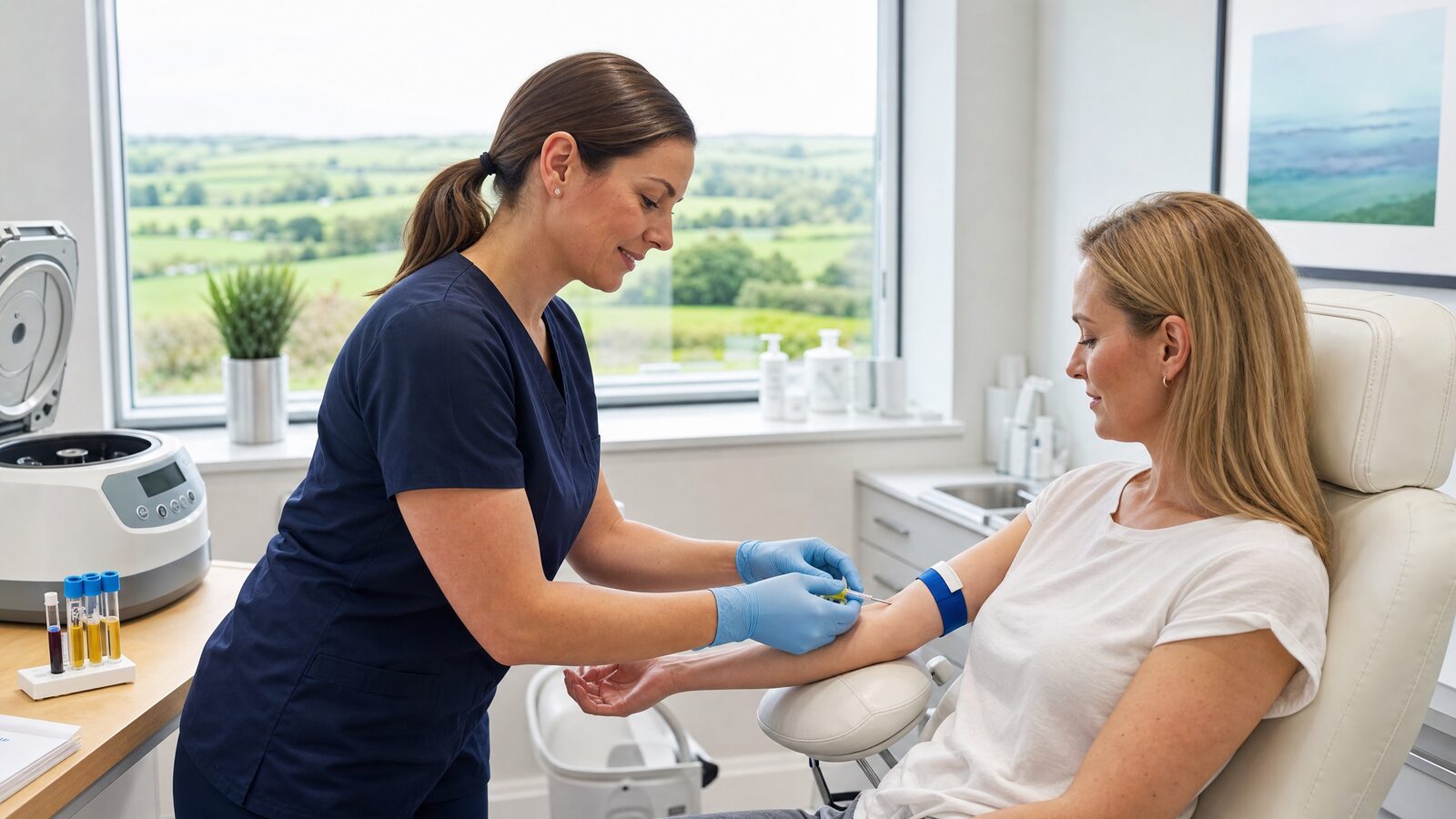
PRP stands for platelet-rich plasma, and the concept behind it is straightforward even if the science is quite involved. A small amount of your own blood is drawn, typically around 15 to 60 millilitres depending on the treatment area, and placed into a centrifuge. The centrifuge spins the blood at high speed, separating it into layers. The layer that is richest in platelets, along with growth factors and other bioactive proteins, is then extracted and prepared for injection back into the target area of your body.
The rationale is that platelets play a central role in the body's natural healing process. By concentrating them and delivering them directly to an area that needs repair or rejuvenation, whether that is a thinning scalp, ageing skin or an arthritic knee, the treatment aims to amplify the body's own regenerative response. Because the plasma comes from your own blood, it is autologous, which means there is no risk of rejection or allergic reaction to a foreign substance.
PRP has gained significant traction in Ireland over the past several years, moving from a niche treatment offered by a handful of sports medicine clinics into a service available in aesthetic clinics, dermatology practices and orthopaedic settings across Dublin, Cork, Galway and Limerick. Its popularity has been driven partly by high-profile endorsements, including the so-called vampire facial for skin rejuvenation, and partly by a growing body of clinical research, particularly for joint conditions.
How much does PRP cost in Ireland in 2026?
PRP pricing in Ireland varies considerably depending on what you are treating, and it helps to think about costs in three broad categories. For skin rejuvenation, including the popular vampire facial, you can expect to pay between €300 and €700 per session at most Irish aesthetic clinics. Hair restoration PRP, which involves injecting the concentrated platelets into the scalp to stimulate dormant follicles, typically costs between €400 and €900 per session. Musculoskeletal PRP, used for conditions such as knee osteoarthritis, tendon injuries and joint pain, sits at the higher end of the range, usually between €500 and €1,200 per session.
These per-session figures are only part of the picture. PRP is almost never a one-and-done treatment. Depending on the condition being treated and how you respond, practitioners typically recommend a course of three to six sessions spaced four to six weeks apart. That means the realistic total cost for a full course of skin PRP might run from around €900 to over €4,000, while a course of joint PRP could total anywhere from €1,500 to €7,000 at the upper end. These are meaningful sums, so it is important to get a clear treatment plan and cost estimate before you begin.
On top of the treatment sessions themselves, you should factor in consultation fees, which typically range from €50 to €150 for an initial assessment. Some clinics include the consultation in the cost of your first session, while others charge it separately. Follow-up appointments to assess progress may also carry a small fee, so it is worth asking about the full cost pathway upfront rather than focusing only on the headline per-session price.
Why PRP prices vary across clinics and cities
The first and most obvious driver of PRP price variation is the treatment area. Joint injections tend to cost more than skin or hair treatments because they often require image guidance such as ultrasound to ensure accurate placement, the practitioner is typically a specialist in sports medicine or orthopaedics, and the clinical responsibility involved is greater. Skin and hair PRP is usually performed by aesthetic practitioners or dermatologists with lower overhead costs for each session.
Location also plays a significant role. Dublin consistently tends to have higher prices than other Irish cities, which reflects a combination of greater demand, more competition for premium clinic space, and higher operating costs in the capital. That said, the presence of more clinics in Dublin also means there is more variation, so shopping around can sometimes yield a competitive price. Cork, Galway and Limerick all have reputable PRP providers, and patients willing to travel may find that the savings on treatment offset the cost of a journey.
The quality of the centrifuge system and the PRP preparation kit also influences what you pay. Higher-end systems can achieve greater platelet concentrations, and a 2026 meta-analysis published by Springer examining randomised controlled trials for knee osteoarthritis confirmed that the efficacy of PRP is significantly influenced by the concentration of platelets achieved during preparation. A clinic using a more sophisticated system may charge more, but the clinical rationale for doing so is genuine. Finally, the experience and qualifications of the practitioner matter. A consultant orthopaedic surgeon performing a joint injection will typically charge more than a general practitioner offering the same, and that premium reflects training, expertise and clinical governance.
PRP for skin rejuvenation: the vampire facial
The vampire facial is perhaps the most widely recognised form of PRP in Ireland, and it is the treatment that brought platelet therapy into mainstream awareness. The procedure involves drawing a small sample of blood, processing it in a centrifuge, and then either injecting the PRP into the facial skin with fine needles or applying it topically after microneedling. The combination of microneedling and PRP is designed to stimulate collagen production, improve skin texture, reduce fine lines and even out skin tone.
In Irish aesthetic clinics, a single vampire facial session typically costs between €300 and €700. The lower end of that range usually involves PRP applied topically after microneedling, while the higher end reflects clinics that use more advanced injection techniques, higher-quality preparation kits or include additional elements such as LED light therapy or specialist serums alongside the PRP. Many clinics offer package deals for three or more sessions, which can bring the per-session cost down meaningfully and are worth asking about if you plan to commit to a full course.
Results from skin PRP are not immediate. Most practitioners advise that you will notice improvements in skin quality and texture over a period of weeks to months as collagen remodelling takes place, with the full effect becoming apparent after two to three sessions. It is important to have realistic expectations and to understand that PRP is not a substitute for good daily skincare, sun protection and a healthy lifestyle. When delivered by a skilled practitioner as part of a broader skin health strategy, however, it can be a worthwhile addition.
PRP for hair restoration
PRP for hair loss has become increasingly popular in Ireland, particularly among men and women experiencing early to moderate androgenetic alopecia, the most common form of hair thinning. The treatment works on the principle that the growth factors in concentrated platelets can stimulate dormant hair follicles, prolong the growth phase of the hair cycle and increase the thickness of individual hairs. It is generally positioned as a treatment for thinning rather than for complete baldness, and practitioners are typically honest about the fact that results are best when there are still active follicles to work with.
Hair PRP sessions in Ireland cost between €400 and €900 each, and most protocols involve an initial course of three to four sessions spaced four to six weeks apart, followed by maintenance sessions every six to twelve months. That initial course alone could therefore cost between €1,200 and €3,600, with ongoing maintenance adding to the total over time. Some clinics offer package pricing that reduces the per-session cost, so it is worth comparing both individual and bundled rates before committing.
The evidence for PRP in hair restoration is encouraging but not definitive. Several studies have shown statistically significant improvements in hair density and thickness compared to placebo, particularly when higher platelet concentrations are used. However, results vary between individuals, and PRP works best as part of a broader approach that may include medical treatments such as minoxidil or finasteride, nutritional optimisation and addressing any underlying health conditions contributing to hair loss. A responsible practitioner will discuss all of these options with you rather than presenting PRP as a standalone solution.
PRP for joints and musculoskeletal conditions
It is in the musculoskeletal space that PRP arguably has the strongest and most developed evidence base. PRP injections have been used extensively for knee osteoarthritis, tennis elbow, Achilles tendinopathy, rotator cuff injuries and various other joint and tendon conditions. The treatment aims to reduce inflammation, promote tissue healing and improve function, and for knee osteoarthritis in particular, the clinical evidence has matured to the point where it is worth serious consideration.
A 2026 meta-analysis of randomised controlled trials, published in Springer, confirmed that PRP produces clinically significant improvements in knee osteoarthritis symptoms. Importantly, the study found that outcomes are meaningfully influenced by the concentration of platelets in the preparation, which underscores why the quality of the centrifuge system and preparation technique matters. Joint PRP in Ireland typically costs between €500 and €1,200 per session, with the higher end reflecting specialist orthopaedic or sports medicine clinics that use ultrasound-guided injection and advanced preparation systems.
A typical course for joint PRP involves three sessions spaced two to four weeks apart, though some practitioners recommend additional sessions depending on the severity of the condition and the patient's response. The total cost of a joint PRP course therefore commonly falls in the range of €1,500 to €3,600. While this is a significant outlay, it is worth weighing against the cost and risks of alternatives such as corticosteroid injections, which may provide shorter-term relief, or surgical intervention, which carries its own substantial costs and recovery time.
Is PRP covered by health insurance in Ireland?
The straightforward answer is that PRP therapy is not covered by Irish health insurance in most cases. Whether you are having it for cosmetic purposes, hair restoration or joint treatment, the vast majority of private health insurers in Ireland treat PRP as an elective or unproven therapy and will not reimburse the cost. This means you should plan to pay for treatment entirely out of pocket.
There are occasional exceptions worth exploring. Some insurance plans may cover the consultation element of a visit to a specialist, even if they do not cover the PRP injection itself, particularly if you are seeing a consultant orthopaedic surgeon or rheumatologist for a joint condition. It is always worth checking with your insurer before your appointment, as policies vary and the landscape does evolve. The HSE does not fund PRP for any of the common indications discussed here, so public healthcare will not provide a route to treatment either.
From a regulatory perspective, PRP occupies an interesting position in Ireland. Because it is an autologous treatment, meaning it is made from the patient's own blood and returned to the same patient, it does not fall under the same regulatory framework as pharmaceutical products overseen by the HPRA. However, the Medical Council of Ireland requires that any practitioner performing PRP injections be a registered medical professional, and the procedure must be carried out in an appropriate clinical setting. This is an important safeguard, and you should always verify that your practitioner is registered before proceeding.
What to expect during and after a PRP session
A PRP appointment typically takes between 45 minutes and an hour from start to finish. The first step is a blood draw, usually from a vein in your arm, which takes only a minute or two. Your blood is then placed in a centrifuge and spun for around ten to fifteen minutes while it separates into its component layers. During this time, the treatment area may be cleaned and, in the case of skin or hair PRP, a topical anaesthetic cream may be applied to reduce discomfort.
The injection phase itself usually takes between ten and twenty minutes depending on the area being treated. For skin PRP, this may involve multiple small injections across the face or the application of PRP after microneedling. For hair PRP, injections are made across the thinning areas of the scalp. For joint PRP, a single or small number of injections are made into the joint space, sometimes under ultrasound guidance to ensure precise placement. Most patients describe the discomfort as mild to moderate, and it is usually well tolerated without the need for anything beyond topical numbing.
Afterwards, you can generally return to normal activities the same day, though practitioners typically advise avoiding strenuous exercise for 24 to 48 hours. Some redness, swelling or tenderness at the injection site is normal and usually resolves within a day or two. For skin treatments, you may be advised to avoid direct sun exposure and certain skincare products for a short period. Your practitioner should provide clear aftercare instructions tailored to the specific treatment you have received.
How to choose a PRP provider in Ireland
Choosing the right PRP provider is arguably more important than finding the cheapest price, particularly given the evidence that outcomes depend heavily on platelet concentration and injection technique. The first thing to verify is that your practitioner is registered with the Medical Council of Ireland. This is non-negotiable. PRP involves a blood draw and injection, both of which are medical procedures that should only be performed by qualified, registered professionals in a clinical environment.
Beyond registration, ask about the centrifuge system and PRP preparation kit the clinic uses. Not all systems are equal, and given that research consistently links higher platelet concentrations to better outcomes, this is a legitimate and important question. A good clinic will be happy to explain their preparation process and will not be offended by the question. You should also ask how many PRP treatments the practitioner has performed and whether they specialise in the area you are seeking treatment for, whether that is aesthetics, trichology or musculoskeletal medicine.
Transparency on pricing is another strong indicator of a reputable clinic. You should receive a clear breakdown of all costs, including consultation fees, per-session treatment fees and any package deals, before you commit to anything. Be cautious of clinics that pressure you into purchasing large packages at your first visit or that make extravagant claims about results with certainty. PRP is a genuinely promising treatment with a growing evidence base, but it is not a cure-all, and any practitioner who presents it as one should give you pause. You can compare PRP therapy providers across Ireland in the Gerovia directory, which lists clinics in Dublin, Cork, Galway, Limerick and beyond.