Why Dublin has become a hub for cryotherapy
Dublin’s fitness and wellness scene has changed rapidly over the past few years, and cryotherapy is one of the treatments that has moved from niche curiosity to a genuine option for anyone looking after their recovery. The city’s density of gyms, sports clubs, and health-conscious professionals has created demand for recovery services that go beyond the standard sports massage, and a growing number of clinics now offer some form of cold therapy. Whether you are a GAA player dealing with bruising after a weekend match, a runner managing sore knees, or simply someone curious about what stepping into minus 120 degrees actually feels like, Dublin is the easiest place in Ireland to find a provider.
What makes Dublin’s cryotherapy market distinctive is the range of settings in which it is offered. You can find whole-body cryotherapy at dedicated wellness spas, at chiropractic and physiotherapy practices that integrate it into broader treatment plans, and at sports recovery studios that cater primarily to athletes. This variety means the experience, the pricing, and the clinical oversight can differ significantly from one provider to the next, which is exactly why it pays to do a little homework before booking. This guide walks through the main types of cryotherapy available in the city, the providers worth knowing about, realistic pricing, and the evidence that should inform your expectations.
Types of cryotherapy available in Dublin
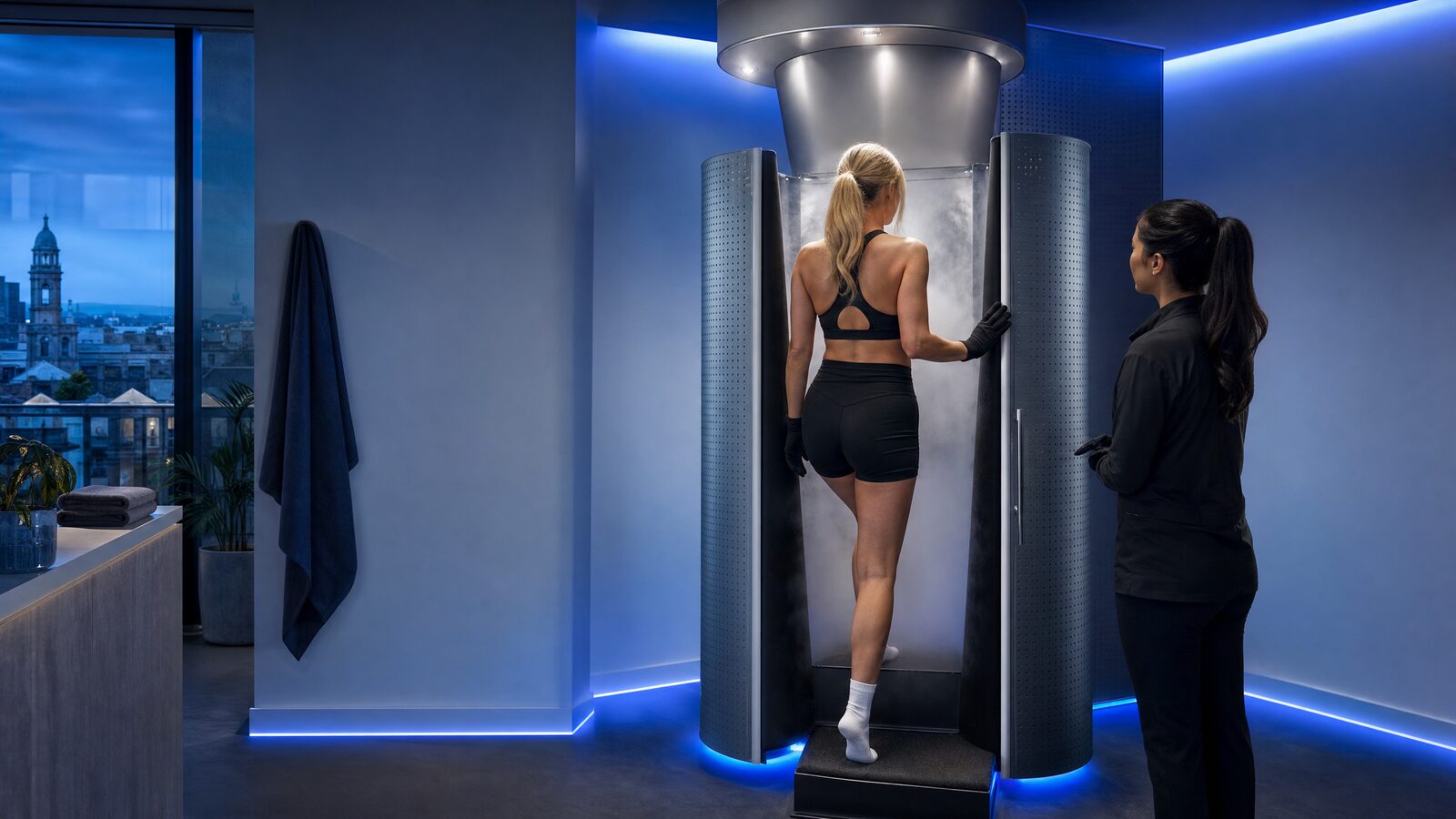
The term cryotherapy covers several quite different treatments, and understanding which one a Dublin clinic offers is the first step to getting what you actually want. Whole-body cryotherapy, often shortened to WBC, is the version most people picture. You step into a chamber or cabin that is cooled to somewhere between minus 110 and minus 140 degrees Celsius, wearing minimal clothing along with gloves, socks, and ear protection, and you stay for two to three minutes. The extreme cold triggers a rapid constriction of blood vessels, followed by a surge of circulation when you warm up, which is thought to dampen inflammation, reduce muscle soreness, and release endorphins.
Localised cryotherapy is a different proposition. Instead of exposing your whole body, a clinician directs a stream of cold air or applies a cryo device to a specific area, a sore shoulder, an inflamed knee, or a stiff lower back. Sessions are usually shorter and cheaper, and they are commonly offered by physiotherapists and sports medicine practitioners as part of a broader rehabilitation or recovery programme. The targeted approach means the cold reaches only the tissue that needs it, which can be more practical if you have a specific injury rather than general post-exercise soreness.
It is also worth knowing that cryosurgery, the medical use of extreme cold to remove skin lesions, warts, or certain small tumours, is an entirely separate procedure carried out by GPs or dermatologists. If you see a clinic advertising cryotherapy and you are not sure whether they mean a wellness chamber or a clinical skin procedure, ask before you book. The two share a name but almost nothing else in terms of purpose, equipment, or cost.
Where to get cryotherapy in Dublin
Dublin now has a reasonable spread of cryotherapy providers, though the market is still small enough that it is worth naming the main options. South William Clinic and Spa, located in the heart of the city centre, offers whole-body cryotherapy alongside other wellness treatments such as LED phototherapy. They have been known to run combination packages, pairing a cryo session with a light therapy treatment, and promotional offers through platforms like Groupon have been seen in the range of roughly €59 to €99 for combo sessions. Their standard single-session pricing for cryotherapy alone is likely in the region of €60 to €100, though it is always worth confirming directly as prices can shift with demand and offers.
Kowalski Chiropractic takes a different approach, integrating cryotherapy into a chiropractic and musculoskeletal care model. They offer whole-body cryotherapy, localised cryotherapy, and even traditional ice pack cryotherapy, meaning the cold treatment is tailored to the patient’s clinical needs rather than offered as a standalone wellness session. This can be particularly useful if you are dealing with a specific injury or chronic pain and want the cold therapy to sit within a structured treatment plan overseen by a healthcare professional.
Beyond these two, a number of Dublin’s physiotherapy and sports medicine clinics offer localised cryotherapy as part of their recovery and rehabilitation services. These tend not to have whole-body chambers but will use handheld cryo devices or cold air units to treat specific areas. If your main interest is recovering from an injury rather than trying whole-body cold exposure, a sports physiotherapist with cryotherapy equipment may be the most clinically appropriate route. Gerovia’s directory lets you filter by treatment type and location to see what is available near you.
What cryotherapy costs in Dublin
Pricing for cryotherapy in Dublin is broadly in line with what you would expect for a specialist wellness treatment, though it varies enough between providers that checking before you commit is sensible. A single whole-body cryotherapy session in Dublin typically falls between €50 and €100. Clinics at the higher end of that range tend to be city-centre wellness spas with premium positioning, while recovery-focused studios and chiropractic practices sometimes come in a little lower, particularly for existing patients or members.
The real savings come with packages. Most providers offer blocks of five to ten sessions at a discounted rate, and these can bring the per-session cost down to roughly €40 to €60 depending on the provider and the size of the package. A block of five sessions might cost in the region of €200 to €350, while a ten-session package could range from around €350 to €500. If you plan to use cryotherapy regularly, perhaps once or twice a week during a heavy training block, a package is almost always better value than paying per session. Some clinics also offer monthly memberships that include a set number of sessions and priority booking.
Localised cryotherapy is cheaper, typically running from about €30 to €60 per session, since the equipment is less expensive to run and the treatment is quicker. If you are seeing a physiotherapist for an injury and cryotherapy is part of your treatment plan, the cost may be bundled into the overall consultation fee rather than charged separately. It is always worth asking what exactly is included in any quoted price, whether a health screening or consultation is extra, and whether the price you see online is the walk-in rate or a promotional one.
What the evidence says about cryotherapy
If you are spending money on cryotherapy in Dublin, it is fair to ask what it actually does. The honest answer is that the evidence is encouraging for some things and weak for others, and a responsible clinic will tell you that. The strongest support is for post-exercise recovery and inflammation. A 2025 meta-analysis published in Scientific Reports, pooling data from eleven randomised controlled trials, found that whole-body cryotherapy can reduce key inflammatory markers. A consensus paper in Frontiers in Sports and Active Living from 2021 similarly supports its use as a recovery tool after intense exercise. And institutions such as Mass General Brigham have noted benefits for muscle recovery and inflammation management.
Delayed onset muscle soreness, the deep ache you feel a day or two after a hard session, is one of the most commonly reported benefits. Several studies have found that a cryotherapy session soon after training can reduce the severity of this soreness, which is of obvious interest to anyone training frequently. There is also fairly consistent evidence for a short-term mood lift, likely driven by the release of noradrenaline and endorphins during the cold exposure, with people reporting reduced anxiety and improved alertness in the hours following a session.
Where the evidence falls short is around the bigger claims. Weight loss, anti-ageing, and detoxification are frequently marketed alongside cryotherapy, but none of these has strong scientific backing. The calorie burn from a two-minute cold exposure is modest at best, and there is no credible mechanism by which cryotherapy turns back the clock on ageing or flushes toxins. Be cautious of any Dublin clinic that leads with these promises. The responsible framing is that cryotherapy is a promising recovery and wellness tool with genuine benefits for inflammation and soreness, but it is not yet an established medical treatment and should not be sold as a substitute for proper medical care.
Who cryotherapy suits best in Dublin
The people who get the most consistent value from cryotherapy tend to be those with a specific, active reason to use it. In Dublin, that means a significant chunk of the client base is made up of athletes and serious fitness enthusiasts. GAA players, rugby players, runners, CrossFit devotees, and gym regulars dealing with real post-training soreness are the natural audience, and many of them build a cryo session into their weekly recovery routine alongside massage, stretching, and nutrition. For this group, the cost is easier to justify because the benefit, getting back to training sooner and with less discomfort, is tangible and measurable.
People managing chronic inflammatory pain, under the guidance of a doctor or physiotherapist, can also find cryotherapy a useful addition. Conditions involving joint inflammation and muscle stiffness sometimes respond well to regular cold exposure, though this should always be discussed with a healthcare professional rather than self-prescribed. If you are managing a chronic condition, a provider like Kowalski Chiropractic, where cryotherapy sits within a clinical framework, may be a better fit than a standalone spa session.
For the casually curious, a single session or a small introductory package is a sensible way to find out whether cryotherapy is for you without overcommitting financially. Many people enjoy the experience, the bracing intensity, the post-session buzz, but do not have a strong enough reason to make it a regular habit. There is nothing wrong with trying it once for the novelty and deciding it is not worth repeating. The key is to go in with realistic expectations, understand what the evidence does and does not support, and let your own response guide whether you continue.
Safety and who should not use cryotherapy
Whole-body cryotherapy is generally safe for healthy adults when carried out in a properly run clinic with trained staff, and serious incidents are rare. The most common side effects are minor and temporary: redness, tingling, and a brief numbness of the skin that resolves within minutes of warming up. The main risk is frostbite or cold burns, which can happen if the skin is damp, if jewellery or metal is worn into the chamber, or if a session runs longer than it should. This is why reputable clinics insist on completely dry skin, provide protective coverings for the hands, feet, and ears, and supervise every second of the treatment.
There are, however, people who should not use whole-body cryotherapy at all, or who need to clear it with a doctor first. This includes anyone with Raynaud’s disease, cold urticaria, uncontrolled hypertension, significant heart or cardiovascular conditions, a history of stroke, or a pacemaker. Pregnant women should also avoid it. The extreme cold places a brief but real load on the cardiovascular system, and for people with underlying conditions this can be dangerous. If you take regular medication or have any chronic health issue, a quick conversation with your GP before your first session is the safest approach.
It is also worth noting that there is no specific Irish regulation governing wellness cryotherapy chambers. This does not mean the industry is unsafe, but it does mean that the standard of practice depends largely on the individual operator. Look for clinics where staff are trained in cryotherapy protocols, where health screening questionnaires are mandatory before your first session, and where the equipment is well maintained. A clinic that asks you thorough health questions and is willing to turn you away if the treatment is not appropriate is a far better sign than one that waves everyone through.
Tips for getting the most from your first session
If you have decided to try cryotherapy in Dublin, a few practical details will help you get more from the experience. Book your session for after a workout rather than before, since the recovery and anti-inflammatory benefits are most relevant when your muscles are already stressed. Arrive with clean, completely dry skin and no moisturiser, fake tan, or body oil, as any moisture on the skin increases the risk of cold burns. Wear or bring dry underwear, and the clinic will typically provide the gloves, socks, and ear protection you need.
During the session itself, keep moving gently. Most operators will ask you to turn slowly or step from foot to foot, which helps distribute the cold exposure evenly and keeps you from standing still long enough for any one patch of skin to get too cold. The two to three minutes will feel intense but manageable, and if at any point you feel faint, dizzy, or genuinely distressed, tell the operator immediately and step out. No one will judge you for cutting a session short, especially on your first visit.
Afterwards, give yourself five to ten minutes to warm up naturally before heading back into a busy day. Many people feel a noticeable rush of warmth, energy, and alertness once the session ends, and this is a good time to stretch gently or simply enjoy the post-cold buzz. Drink water, as you would after any recovery session, and pay attention to how your body feels over the following twenty-four hours. This will tell you far more about whether cryotherapy works for you than any marketing material ever could.
How to compare Dublin cryotherapy providers
With several providers now operating in Dublin, it is worth comparing before you book rather than simply choosing the first result you find online. Start by clarifying what type of cryotherapy you want. If you are after the full whole-body chamber experience, make sure the clinic actually has a WBC unit rather than only offering localised cold therapy. If you are recovering from a specific injury, a physiotherapy or chiropractic clinic that integrates cryotherapy into a broader treatment plan may serve you better than a standalone wellness session.
Price is obviously a factor, but it should not be the only one. Check what the quoted price includes, whether there is a separate charge for an initial health screening, and whether the advertised rate is a standard price or a limited promotional offer. Ask about package deals and memberships if you think you will use cryotherapy regularly, and compare the per-session cost across providers rather than just the headline package price. A slightly more expensive clinic with thorough health screening, well-trained staff, and modern equipment is a better investment than a cheaper one that cuts corners.
Finally, read recent reviews and ask questions when you call. A good provider will be happy to explain their equipment, their staff training, their health screening process, and what to expect from a session. They should set realistic expectations about what cryotherapy can and cannot do, and they should never pressure you into buying a large package before you have tried a single session. Gerovia’s directory is designed to help you compare cryotherapy providers across Dublin side by side, so you can make an informed choice based on location, services, and your own priorities.