A newer, pricier step up from PRP
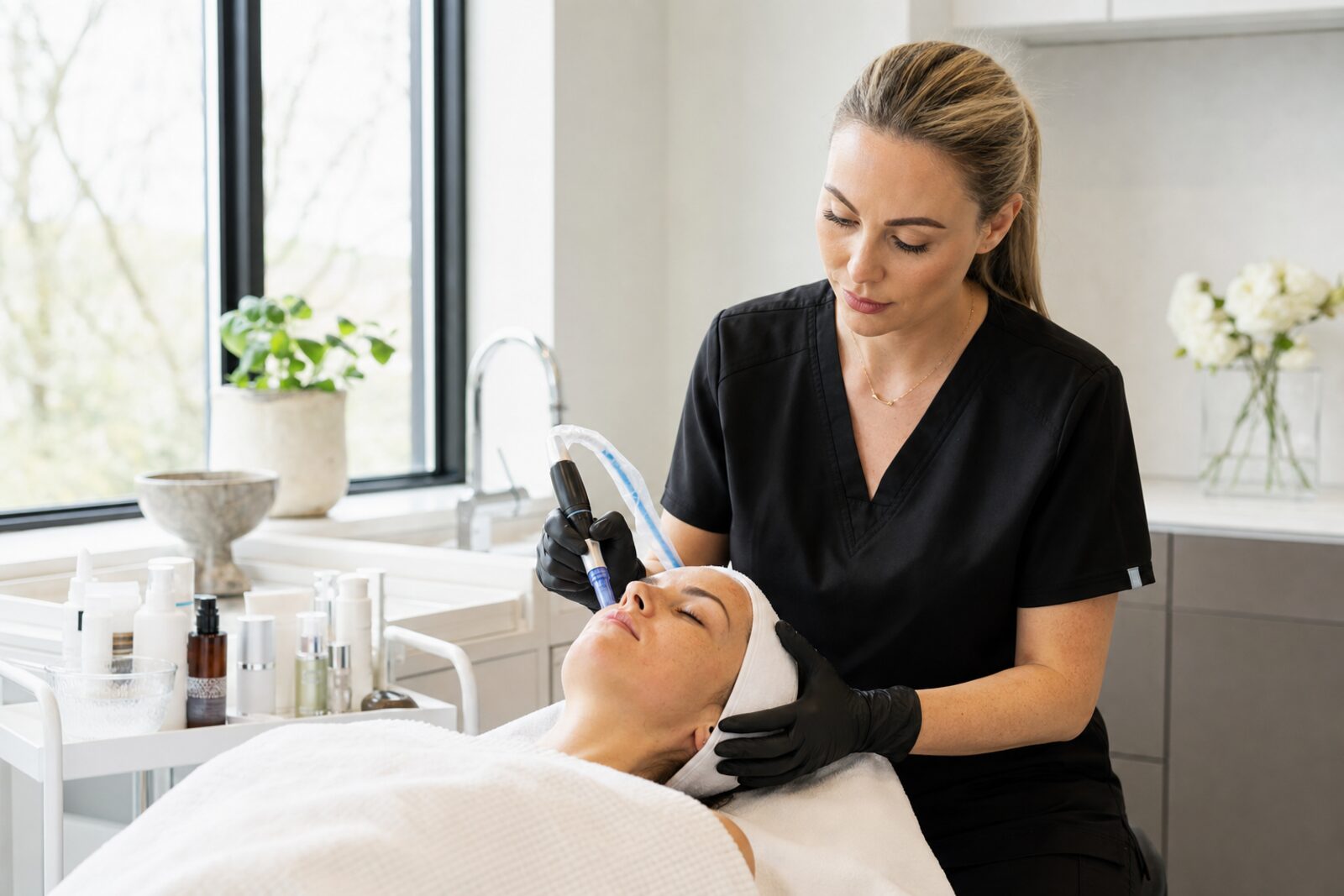
Exosome therapy has arrived in Irish aesthetic clinics as the next step up from platelet-rich plasma, or PRP, treatments that have been available for years. Exosomes are tiny extracellular vesicles, far smaller than a cell, that carry a cargo of growth factors, proteins and genetic material between cells. In a laboratory setting they are recognised as one of the ways cells communicate regenerative signals to their neighbours, and clinics offer them, usually alongside microneedling to help them penetrate the skin, as a way to stimulate collagen production, calm inflammation, and support hair follicle activity without needing to draw and process the patient's own blood, as PRP requires.
That convenience, along with the treatment's novelty, is reflected in the price. Exosome sessions in Ireland generally cost more than PRP for a comparable area, and the gap between what a course actually delivers and what it costs is the question anyone considering the treatment needs answered honestly before booking.
Most of the interest in exosome therapy so far has come from the aesthetics side rather than general medicine, and Irish clinics currently offering it are predominantly skin and hair restoration practices rather than hospitals or GP surgeries. That context matters for how the treatment should be evaluated: it sits closer to elective cosmetic spending than to a mainstream medical intervention, which is worth keeping in mind when weighing the price against the strength of the evidence below.
What Irish clinics actually charge
Pricing for exosome treatments at Irish aesthetic and skin clinics generally falls in the range of roughly 250 to 450 euro per session, depending on the area treated, whether it is combined with microneedling, and whether the exosomes are marketed as a premium or standard formulation. A single facial exosome session at the higher end of the market runs to around 400 euro, while exosome treatments specifically for hair restoration have been priced from around 250 to 350 euro per session at clinics offering them alongside PRP and polynucleotide treatments.
Multiple clinics offer course packages, typically bundling 3 to 6 sessions, which usually brings the effective per-session price down somewhat compared with paying for single visits. A 5-session skin package priced at around 1,500 euro, for example, works out to roughly 300 euro per session rather than the 400 euro charged for a single visit. Because most clinics describe results as building gradually over a course rather than after one session, the realistic cost of a first attempt at the treatment is usually the course price rather than a single session, and many clinics recommend repeating a course every 6 to 12 months to sustain results, which is worth budgeting for as an ongoing cost rather than a one-off purchase.
Where a clinic offers exosome therapy layered on top of a microneedling session, the quoted price sometimes bundles both procedures together and sometimes lists them as separate line items, so it is worth asking directly whether a quoted figure already includes the microneedling pass needed to help the product penetrate the skin. Clinics also differ in whether a course includes a follow-up consultation to assess progress partway through, which affects how much genuine clinical oversight a given price actually buys rather than just the number of sessions listed. (Prices last checked September 2026; individual clinics revise their price lists periodically.)
What the evidence actually shows
The best currently available evidence comes from a 2026 systematic review and meta-analysis published in the Aesthetic Surgery Journal, which pooled 39 human clinical studies: 26 looking at skin outcomes such as wrinkles, pigmentation, texture and overall appearance, and 13 looking at hair density and thickness. Averaged across the pooled studies, facial wrinkle severity improved by around 20%, and other skin measures such as pigmentation, elasticity, texture and redness improved by roughly 15% to 23%. Hair density improved by around 24% on average and hair thickness by around 18%.
Those are genuinely encouraging numbers, and they come from a reasonably large pooled set of human studies rather than laboratory or animal work. The review's own authors, however, rated the overall body of evidence as Level 3, a middle tier reflecting that many of the included studies were smaller, used varied and non-standardised treatment protocols, and were not all randomised, placebo-controlled trials. The reviewers themselves described the findings as supporting further investigation rather than as settled proof, and noted that nine further clinical trials were already under way at the time of publication, in the United States, Iran and China, which should sharpen the picture over the next few years.
The evidence gap that matters most: what exosomes, exactly
A meta-analysis pooling 39 studies necessarily pools a range of different exosome products, since exosomes can be derived from several different cell sources, commonly stem cells taken from bone marrow, fat tissue or umbilical cord tissue, processed and purified to different degrees before being packaged into a clinical formulation. Two products both marketed simply as exosome therapy are not necessarily the same thing, and Irish clinics are not required to publicly disclose the exact source or manufacturing process of the product they use in a given treatment.
That matters because evidence generated using one specific formulation and concentration does not automatically transfer to a different one sold under the same general name. A prospective patient in Ireland is, in practice, usually trusting the clinic's own description of the product rather than being able to independently verify it matches the formulation used in the strongest supporting studies, which is a reasonable question worth asking directly before paying for a course.
The regulatory picture in Ireland and the EU
Exosome-derived products are not authorised as licensed medicines for aesthetic use in Ireland, and depending on how they are processed and sourced, some fall into a category the EU regulates as advanced therapy medicinal products, alongside cell and gene therapies. The Health Products Regulatory Authority has publicly flagged a wider pattern of unregulated advanced therapy products being marketed directly to patients with little or no supporting evidence of safety or effectiveness, and has said it is not aware of these being the mainstream, licensed medical products the language around them sometimes implies.
This regulatory gap is not unique to Ireland. In the United States, the Food and Drug Administration has issued a series of warning letters to companies marketing exosome products for aesthetic, orthopaedic and anti-ageing uses, stating plainly that no exosome product has completed its drug approval process, and has documented safety concerns including infections linked to unapproved regenerative products sold outside a properly regulated supply chain. None of this means every exosome treatment offered by an Irish clinic is unsafe, but it does mean the products sit outside the same licensing and oversight that applies to conventional prescription medicines, and it is a reasonable basis for choosing a registered medical or aesthetics clinic that can explain its sourcing, rather than the cheapest option available.
How exosome therapy compares with PRP on price and evidence
PRP, which uses growth factors concentrated from the patient's own blood rather than a manufactured exosome product, generally costs less per session in Ireland and has a longer track record of use in aesthetic and orthopaedic settings, though its own evidence base for cosmetic indications is also still described as promising rather than definitive by most reviews. Exosome therapy is marketed as a more potent, more convenient alternative, since it avoids the blood draw and processing PRP requires and is said by clinics and some laboratory research to deliver a higher concentration of growth factors per treatment.
Whether that translates into meaningfully better results for a given patient is not yet settled by head-to-head human trials comparing the two directly at scale, so the honest position for now is that exosome therapy is a genuinely promising, more expensive alternative to PRP with a broadly comparable, moderate-quality evidence base, rather than a clearly superior treatment backed by stronger proof.
Questions worth asking before booking
Given the price and the current state of the evidence, it is worth asking a prospective clinic a short list of direct questions: what is the source and manufacturing process of the exosome product being used, is it the same or a comparable formulation to those used in published clinical studies, how many sessions make up a full course and what is the total cost including any recommended maintenance course, and who is administering the treatment and under what medical supervision.
A registered medical or nurse-led aesthetics clinic should be able to answer all of these clearly. Vague answers, reluctance to name a product source, or pressure to commit to a long course upfront are reasonable signs to seek a second opinion elsewhere, particularly for a treatment that, however promising, is not yet backed by the kind of large, standardised randomised trial evidence that would justify treating a positive result as assured.
It is also worth asking what happens if a course does not produce a noticeable result, since a genuinely reputable clinic should be upfront that response varies between patients rather than presenting the treatment as reliably producing the average improvement seen across a pooled group of studies. An individual result sitting well below, or above, an average figure drawn from 39 different studies using different formulations is entirely plausible, and a clinic that acknowledges that variability directly is generally a better sign than one that only quotes the headline percentage improvements.
The bottom line
Exosome therapy in Ireland typically costs 250 to 450 euro per session, or somewhat less per visit when bought as a course of 3 to 6 sessions, with most clinics recommending the course be repeated every 6 to 12 months. A 2026 meta-analysis of 39 human studies found encouraging average improvements in skin and hair measures, but rated the underlying evidence as moderate quality rather than definitive, and the products themselves sit outside conventional medicine licensing in Ireland and the EU.
That combination, real but early-stage evidence, a genuinely high price, and a regulatory grey area around exact product sourcing, makes exosome therapy a reasonable option to consider for someone who has already tried more established treatments such as PRP and wants to try a newer alternative, but not yet a treatment to assume is proven or to choose purely on the strength of clinic marketing.